The Omani khanjar
A symbol of Omani identity, worn on formal occasions. Its hilt is wood or ivory, its blade steel, and its scabbard decorated with silver.
Oman is a country where geography meets history: forts guarding the oases, aflaj carrying water to the palms, and frankincense that perfumed the ancient trade routes.
Memory recorded worldwide
UNESCO has inscribed five sites in the Sultanate, ranging from third-millennium BCE tombs to a port city that thrived on the maritime silk road.
Hospitality and flavour
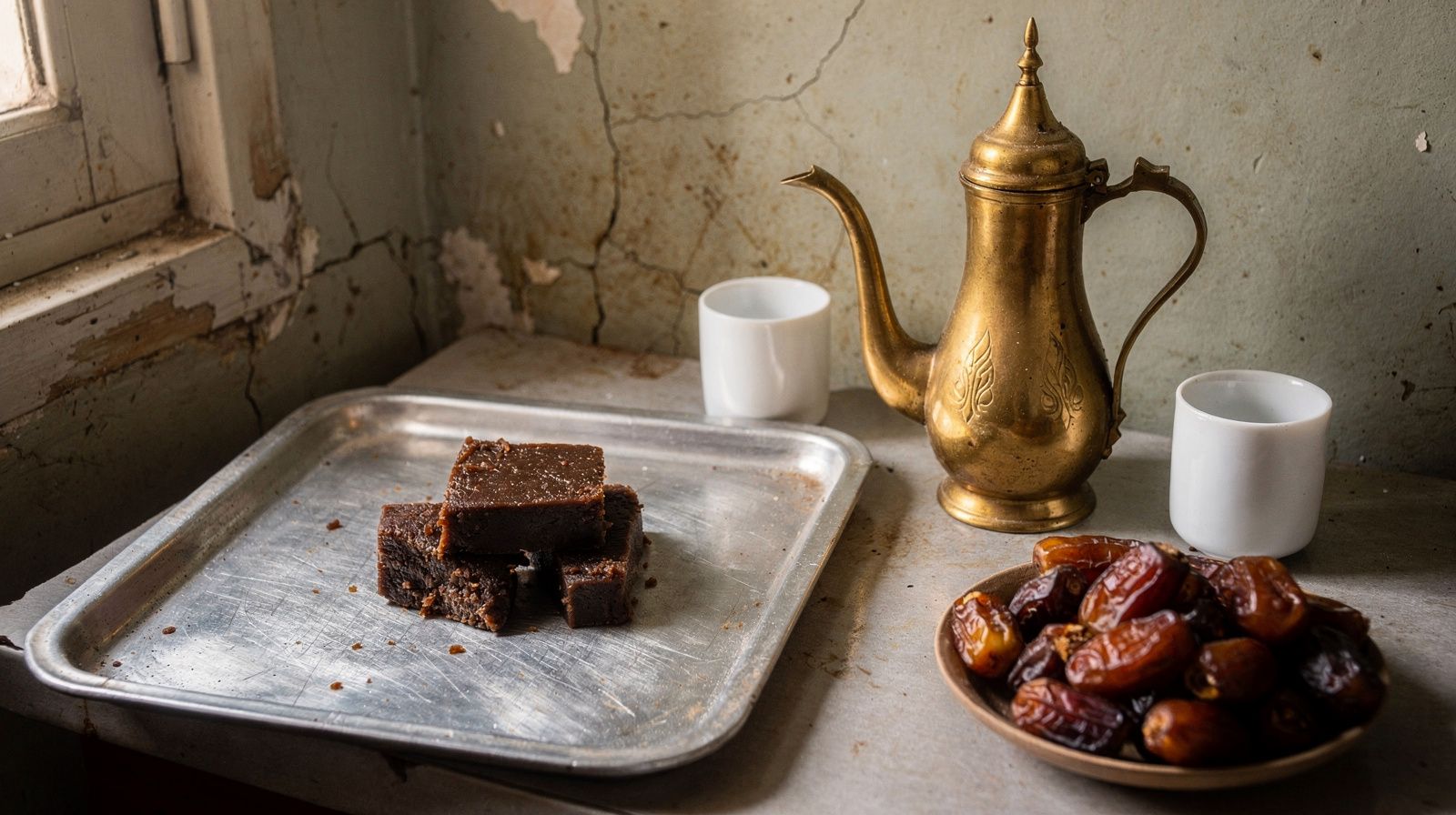
In an Omani home no meeting begins without coffee and dates or halwa. Omani halwa is made from ghee, sugar, rice flour, saffron, cardamom and rose water, stirred for hours in copper pots before being finished with nuts.
Made by hand
Crafts passed down through generations, still present in the souqs and craft centres.
A symbol of Omani identity, worn on formal occasions. Its hilt is wood or ivory, its blade steel, and its scabbard decorated with silver.
In the wilayat of Sur wooden ships are built by hand with almost no metal nails — one of the oldest industries in the Sultanate.
Bahla pottery is among the best known in the Sultanate, and palm fronds are woven into baskets, mats and household tools.
Silver jewellery is made by hand in Nizwa and Muscat, known for geometric engraving and fine detail, and sold in Mutrah Souq.
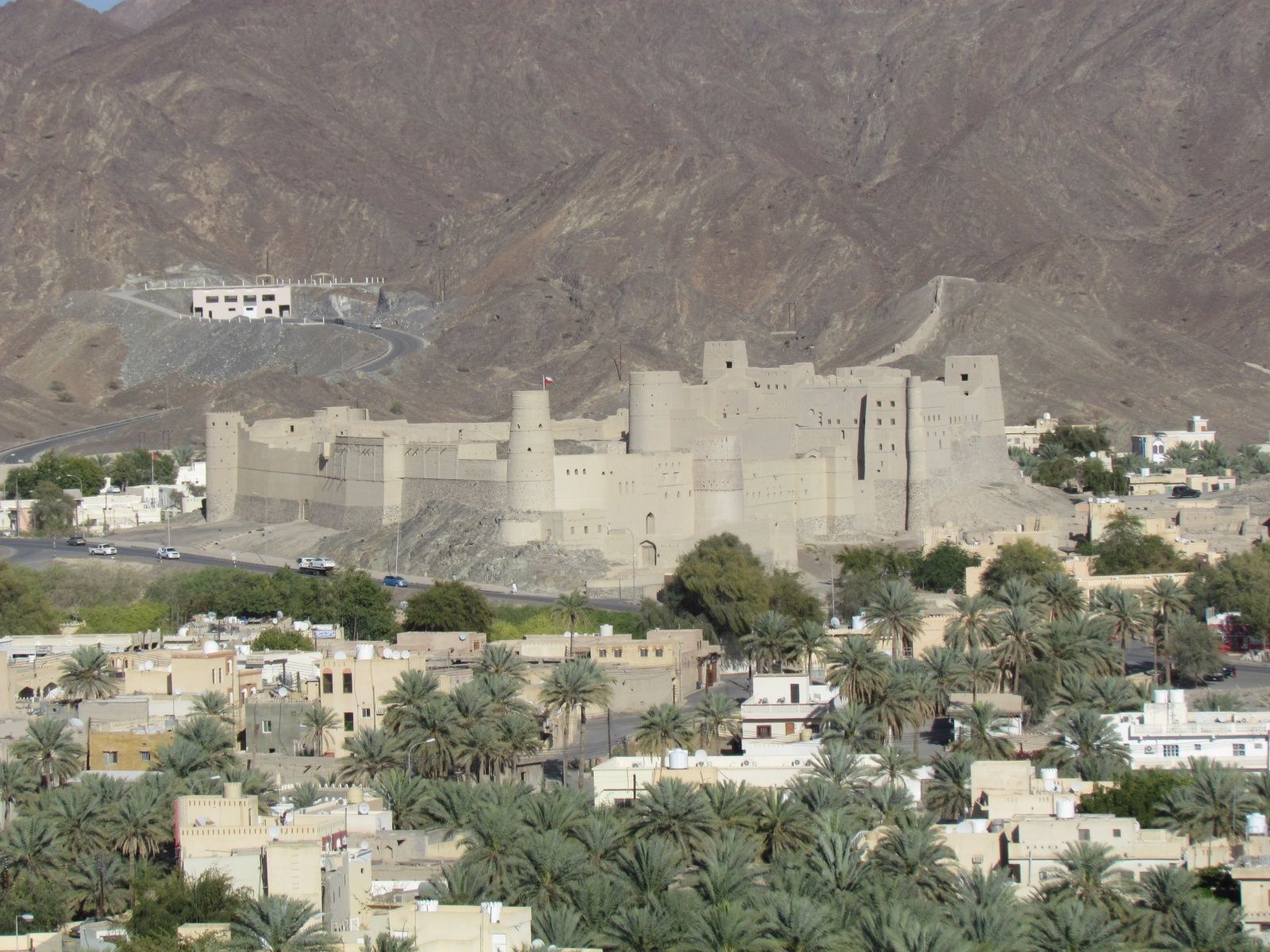
Forts and castles of mud, straw and gypsum, shaped with round towers and decorated façades as at Bahla and Nizwa.
Harvested from the frankincense tree in Dhofar, and inscribed as the "Land of Frankincense" World Heritage site in 2000.
Before you travel
Omani society is conservative and generous at the same time. Respecting local customs makes your trip easier and leaves a good impression.
Timing your trip
Oman is a large country — in summer the weather in the north is entirely different from the south.
Frequently asked
Ten questions on Oman's geography, heritage and hospitality — with an explanation for every answer.